Friday, December 29, 2017

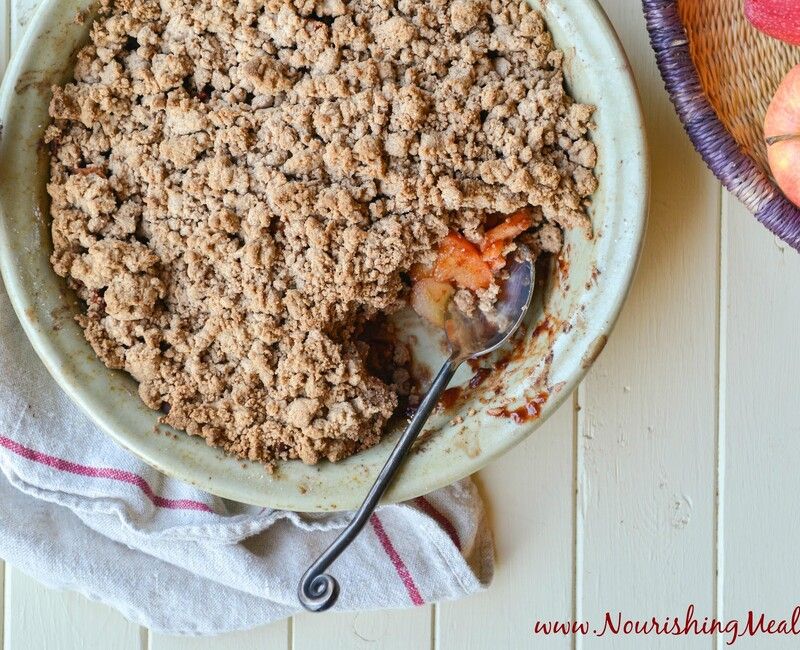
Tigernut Flour Apple Crisp (grain-free, nut-free, paleo, vegan)


I'm excited to be sharing this amazing apple crisp recipe with you today. It's made with prebiotic-rich tigernut flour, which is a grain-free, nut-free, healthy gluten-free flour. Going on an elimination diet can be challenging sometimes, especially during the holidays and family gatherings where food plays such an integral role in the celebration. Having alternatives that are just as tasty as your old favorites can make it much easier to stick to your new diet.

Have you tried an Elimination Diet yet? Usually within 2 to 4 weeks of removing foods like gluten, dairy, and sugar from your diet, skin conditions clear up, back and joint pain goes away, chronic fatigue disappears, and intestinal issues calm down. On top of that, most people lose around 7 to 10 pounds of unwanted weight.

Why? Because food can be the most common source of irritation to your immune system. How will you know if foods are causing your brain fog, fatigue, pain, or skin issues? Do an Elimination Diet and find out. It's really an enlightening process. I wrote about the process last year in my Green Kale Detox Soup post.

This Elimination Diet apple crisp recipe can be enjoyed by your whole family. My children really love it! In fact, one of my 10-year old twin boys made a double batch of this recipe the other night, using part blueberries and part apples in the filling. It was so good! I posted some photos on my Instagram account of the process, as well as of the finished product that you can view here.

Tigernut flour can sometimes be tricky to find in your local health food store. I suggest ordering it online here. You can also learn more about Tiger Nuts here if you are interested!

Thursday, July 13, 2017

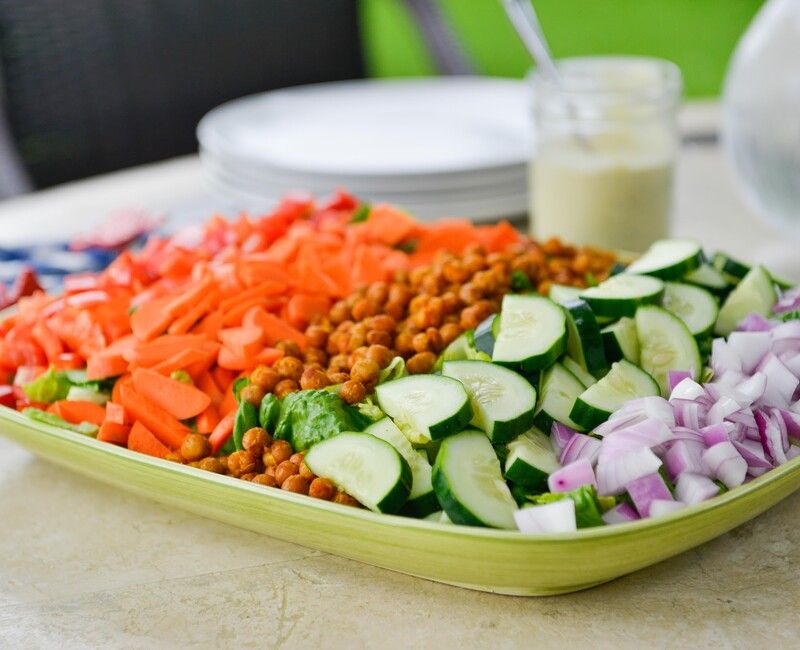
Healthy Rainbow Vegetable Salad with Turmeric Roasted Chickpeas


If you have children and are in need of some inspiration on getting them to love their veggies, then this kid-friendly recipe is for you. I'm visiting my family in Wisconsin now. My children love to play with my brother's four children who are all about the same ages as mine. Now, my children love their vegetables, but my brother's children are not the same. They are a little more hesitant to have a gigantic pile of raw vegetables fill their plates. My oldest niece is the most adventuresome when it comes to new vegetables. She always asks what I'm eating and wants to try it. The other day she tasted purple daikon radish for the first time and loved it, as well as sliced raw kohlrabi. So when I introduced her to this salad, she literally could not stop eating it. Even before dinner was served she was stealing the lettuce and vegetables off the platter!

Beautiful, bright colors excite children. Why do you think candy is dyed with the most brilliant colors? A platter of fruits and vegetables arranged in a beautiful way is pleasing to the eyes, and even before we eat, our eyes send messages to our brain to begin producing digestive juices in preparation for what is before us. If you make the vegetable presentation appetizing to your children, you might be more likely to naturally gain their acceptance in eating a plate of fresh vegetables. The key to children trying something new, and enjoying it, is patience and persistence (keep offering it)!

Choose their favorite rainbow-colored fruits and vegetables for the salad! For the red color, try diced red bell pepper, halved cherry tomatoes, chopped red radishes, or diced red apple. For the orange color, try chopped orange carrots, diced orange bell peppers, cubed roasted sweet potatoes, or cubed roasted winter squash. For yellow try, Turmeric-Roasted Chickpeas (recipe below), raw corn from the cob, yellow bell peppers, yellow carrots, sliced yellow zucchini, or grated yellow beets. For the green color there are so many options! Try chopped cucumber, blanched green beans, diced avocado, chopped celery, chopped raw broccoli, blanched frozen peas, diced green bell peppers, or thinly sliced green kale. For the blue/purple color try diced red onion, grated raw beets, fresh blueberries, diced purple bell peppers, or roasted purple potatoes. Let me know in the comment section below which vegetable combination you used and how your children liked it. :)

Monday, July 3, 2017

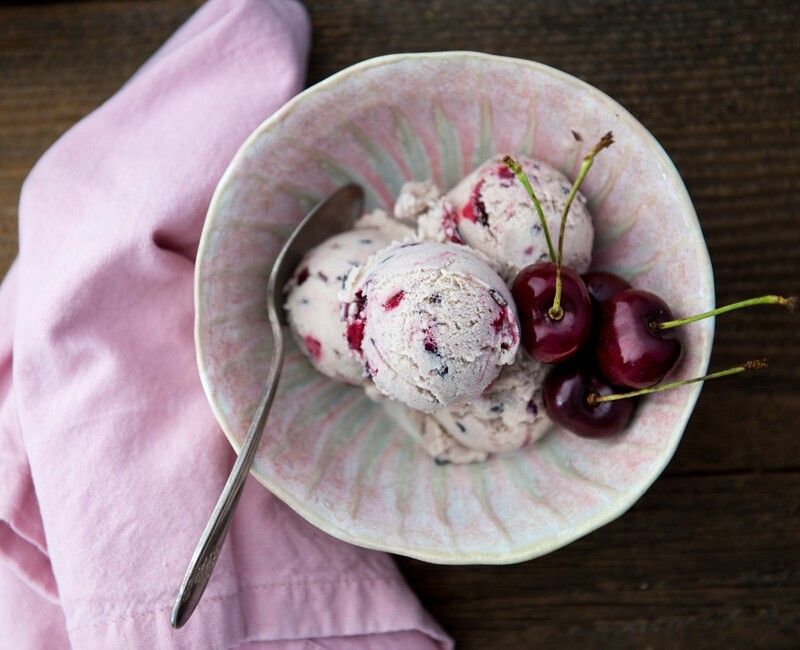
Cherry Chocolate Chunk Ice Cream (dairy-free, paleo)


It's summer! Time to break out the ice cream maker and whip up some dairy-free ice cream. Plus it's cherry season right now. This coconut milk-based ice cream is a perfect way to indulge in both antioxidant-rich cherries and dark chocolate. Serve it as a sweet treat after dinner, or a healthy mid-afternoon snack for your kids. This cherry chocolate chunk ice cream comes from my Whole Life Nutrition Cookbook.

Be sure to use full fat coconut milk in this recipe. The hemp seeds give it some extra creaminess, healthy fats, and amino acids. You can easily omit the chocolate if you are on Phase 2 of the Elimination Diet. You can also replace the cherries with blueberries, strawberries, or diced mango. All variations are delicious!

Tuesday, June 6, 2017

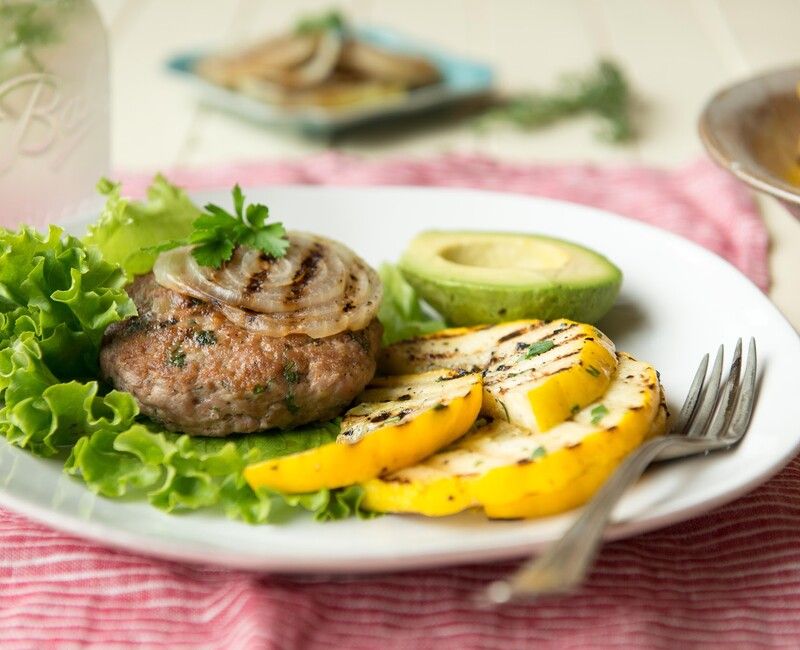
Garlic-Herb Turkey Burgers


This recipe is great for those of you who are on an Elimination Diet as it is very easy to make, and when paired with plenty of vegetables, it becomes a very nourishing, anti-inflammatory meal. We like to use lettuce leaves or napa cabbage leaves as our "buns" for burgers, though sometimes my children like the extra carbohydrates of a gluten-free bun (they are so active and hungry all the time)!

Look for organic ground turkey at your local food co-op or health food store. Sometimes it is in the freezer section. I make turkey burgers about once a week (especially now with the warmer weather). Sometimes I omit the chopped fresh herbs and add a tablespoon or two of a good quality Thai curry paste. I also replace the parsley with cilantro. My children really love this Thai-flavored version too!

Serve burgers with baked sweet potato fries if you are on the Elimination Diet. If not, try some potato fries. My kids love homemade baked oven fries using russet potatoes that are seasoned with smoked paprika, garlic powder, black pepper, sea salt, and avocado oil. In the summertime I also like to grill summer squash from my garden using my cast iron grill pan on the stove to serve with these burgers. Serve burgers with a garden salad and a homemade dressing for a balanced, nourishing meal!

Saturday, May 13, 2017

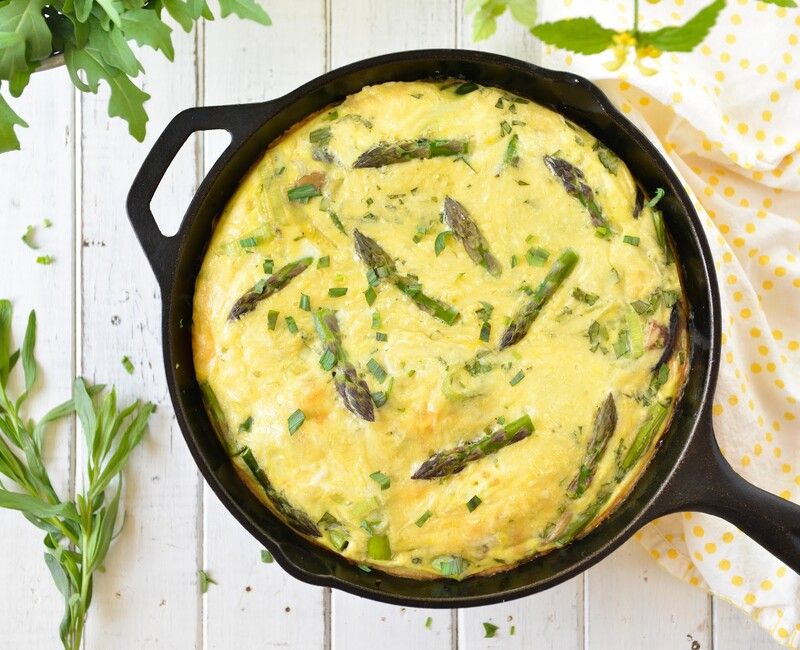
Asparagus, Leek, and Mushroom Frittata


Frittatas are just about one of the easiest, nutrient-dense meals you can make....and they can be whipped up in minutes! Serve a frittata for breakfast, lunch, or dinner. I frequently make frittatas to use up the odd bits of leftovers or random veggies in the fridge. I love using leftover salmon and roasted potatoes in a frittata. Green onions, chives, sausages, red bell peppers, yellow or red onions, olives, zucchini, basil, and broccoli are also wonderful ingredients to add to your frittata!

A frittata is made by first sautéing some vegetables in a little butter or olive oil in a 10-inch cast iron skillet, then you add 8 to 10 whisked eggs (sometimes grated cheese too) and pop the whole pan in a preheated 375 degree oven for 20 to 25 minutes. It will puff up as it bakes, then fall as it cools. Cut your frittata into wedges and serve with a salad. So easy!

This frittata recipe uses some in-season spring vegetables, plus fresh tarragon to create a complex-flavored meal that will remind you of French cuisine! Asparagus and tarragon pair so well together! Yum! Serve it for Mother's day brunch with a salad and some sparkling mineral water.

If you or a family member cannot tolerate eggs then I would suggest baking a salmon fillet and serving it with a salad for Mother's day brunch. Salmon for brunch is a great egg-free option!

Wednesday, May 10, 2017

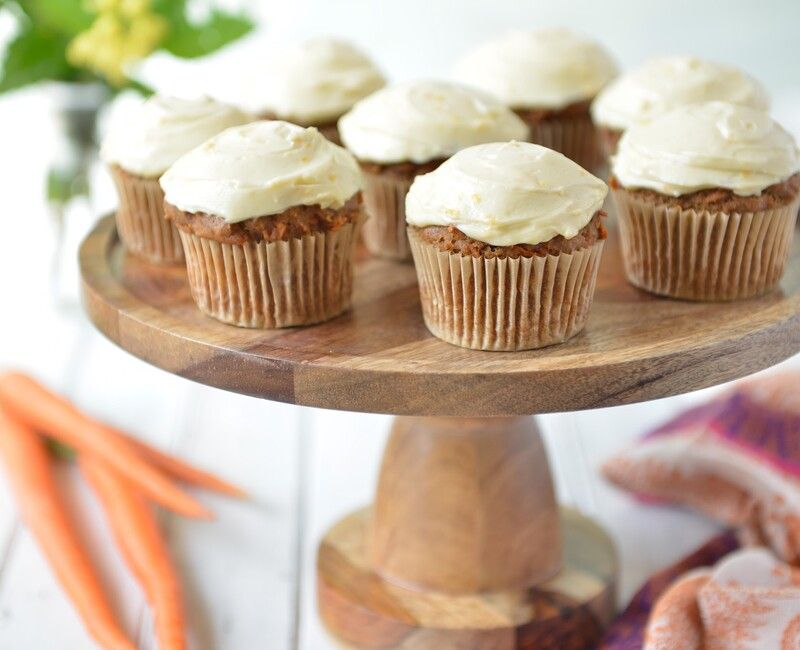
Carrot Cake Muffins (gluten-free, egg-free, nut-free, vegan)


Yay for gluten-free carrot cake muffins! I call these healthy little treats muffins, but once frosted they sure seem like cupcakes to me. They are packed full of carrot-goodness, as well as being very moist and light, even without the eggs. What a perfect treat for Mother's day or a Springtime gathering!

I've frosted them here using a Honey-Cream Cheese Frosting (recipe below) but if you are dairy-free or vegan then use my Sweet Potato Buttercream Frosting recipe. Just be sure to use white-fleshed sweet potatoes (they have a light-tan skin), and stir in some finely grated orange zest at the end. This recipe is a perfect dairy-free, whole foods replacement for cream cheese frosting (and it looks like it too as long as you use the white sweet potatoes).

The trick to making these egg-free muffins light and fluffy is to add the carrots on top of the whisked dry ingredients, immediately then pour in the blended wet ingredients, and then mix them all together at once. If you stir in the carrots at the end, after your batter has been mixed up, then you will lose some of the trapped air that is formed from the reactions of the baking powder, baking soda, and acid ingredients (applesauce and orange juice). Then you must bake them right away in your preheated oven. Starting the baking process immediately after mixing the batter together helps to trap air and create lift! Both of these steps will help give the muffins the rise and lightness you normally get with eggs.

If you want to add other ingredients such as chopped walnuts and raisins, go ahead. A half cup of each should work well. Also....did I mention that these muffins are Elimination Diet friendly for Phase 2 and beyond (without the cream cheese frosting and citrus of course)! Enjoy!

Wednesday, May 3, 2017

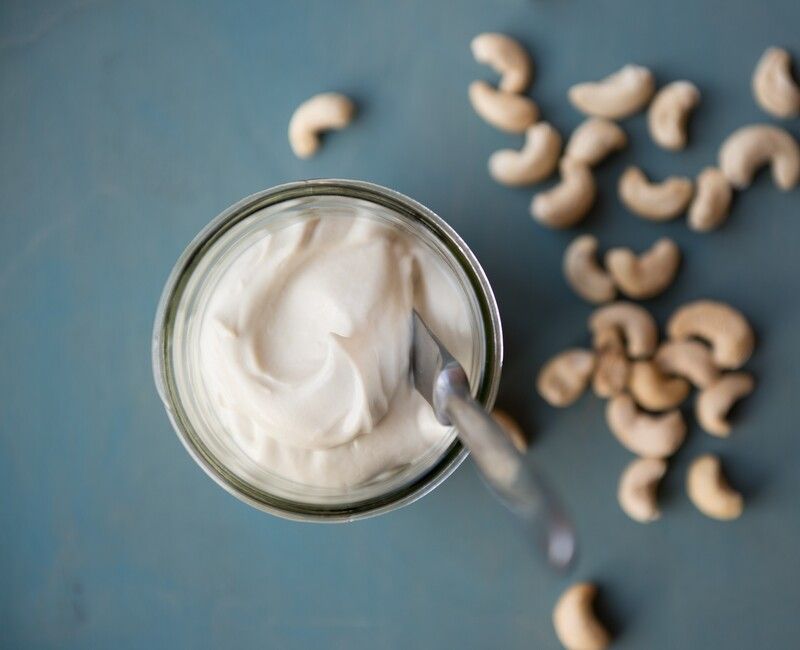
Dairy-Free Vanilla Cashew Creamer Recipe


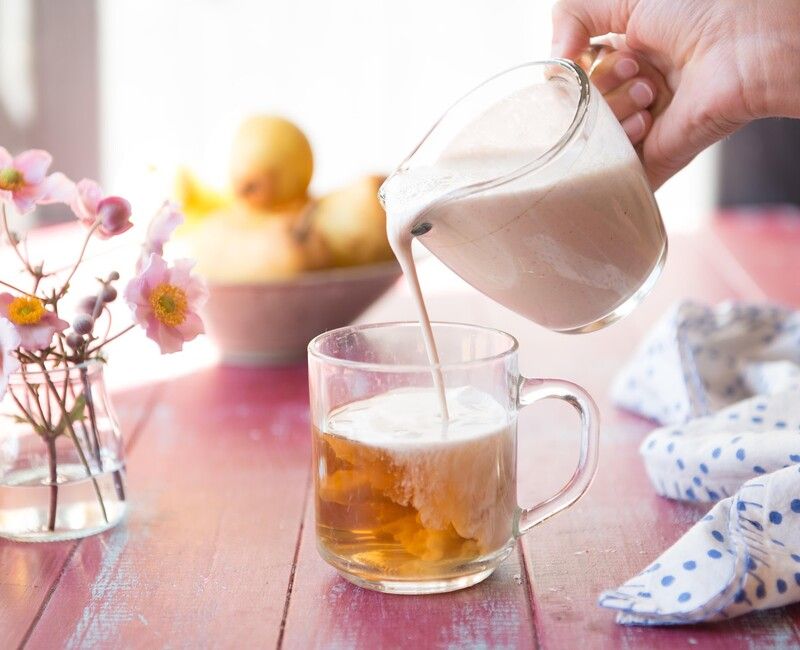
Are you working to eliminate dairy from your diet and in need of a creamy "milk" to add to your morning coffee or tea? I've been making this dairy-free cashew creamer for over a decade and never get tired of it! I don't drink coffee but like to add it to turmeric-ginger spice tea, Dandelion Root Chai, roasted dandelion root tea, and sometimes a maca hot chocolate drink I make.

I know many people who follow a paleo diet and like to add coconut milk or coconut cream to their tea or coffee, but every time I try this I'm quite repulsed by the overwhelming coconut flavor! This cashew creamer does not overpower the beverage that it is added to, yet still offers a warm, rich flavor. If you own a high-powered blender then you can whip up this recipe in minutes, if not you will need to soak your cashews for a few hours in a bowl of water (and then drain) before blending. Another option, if you don't own a high-powered blender or are out of raw cashews, is to add a large spoonful of raw cashew butter to your blender along with 1 to 2 cups of water (plus the other ingredients below) and blend into a creamy milk! I do this on occasion if I'm out of cashews and the milk is so smooth creamy.
Even though this dairy-free cashew creamer is so rich and creamy, it is actually full of heart-healthy monounsaturated fats! In fact, 82% of the fat in cashews is unsaturated, and about 66% of that is monounsaturated. Cashews are also a great source of some very important minerals, including magnesium, manganese, copper, phosphorus, and zinc!

If you are following the Elimination Diet, then this recipe can be used in Phase 3 during the reintroduction of nuts.

Thursday, April 13, 2017

Lemon Poppy Seed Cake (grain-free, dairy-free, nut-free, paleo)


Spring is finally here! I just want to soak up each and every moment of sunshine we have, as it's been a particularly dark and rainy last couple of months. This healthy gluten-free lemon poppy seed cake will surely brighten any day! Serve it for Easter brunch or as part of a Mother's day breakfast. It's not particularly sweet, but definitely bursting with lemon flavor. It's quite easy to make and free of many of the common allergens, except eggs. The lemon-honey glaze on top seals in moisture and adds even more lemony flavor. I think you and your family will enjoy it. My children just love this cake!

This grain-free, paleo cake recipe is actually an adaption of the Lemon Poppy Seed Muffin recipe from my new Whole Life Nutrition Cookbook. A few years ago (in 2014) I was asked by the Institute for Functional Medicine to create a Lemon Poppy Seed Cake recipe for a special banquet dinner event held during the their annual conference that year. This is the recipe that I created and that was served to hundreds of IFM members that evening (in individual miniature bundt cake form with fresh berries on top)! My friends and family have been making this recipe since....and now I'm finally sharing it with you. Enjoy!

Thursday, March 2, 2017

Spicy Slow Cooked Beef Stuffed Sweet Potatoes with Avocado-Cilantro Cream


I really love being able to toss ingredients into my slow cooker in the morning in order to have a meal ready to go later in the day, don't you? There's just so much less stress, and I feel so organized, with a clean kitchen going into dinnertime! This recipe for tomato-free, paleo slow cooked beef can be used in a multitude of ways. If you don't want to stuff it into baked sweet potatoes then you could use it as a taco filling for corn tortillas, Brown Rice Flour Tortillas, or simply served with sautéed kale and cabbage! If you or some of your family members eat dairy you could put the beef into the sweet potatoes and then top with shredded raw cheese and place in your oven under the broiler for a few minutes to melt the cheese (some of my children like this)!

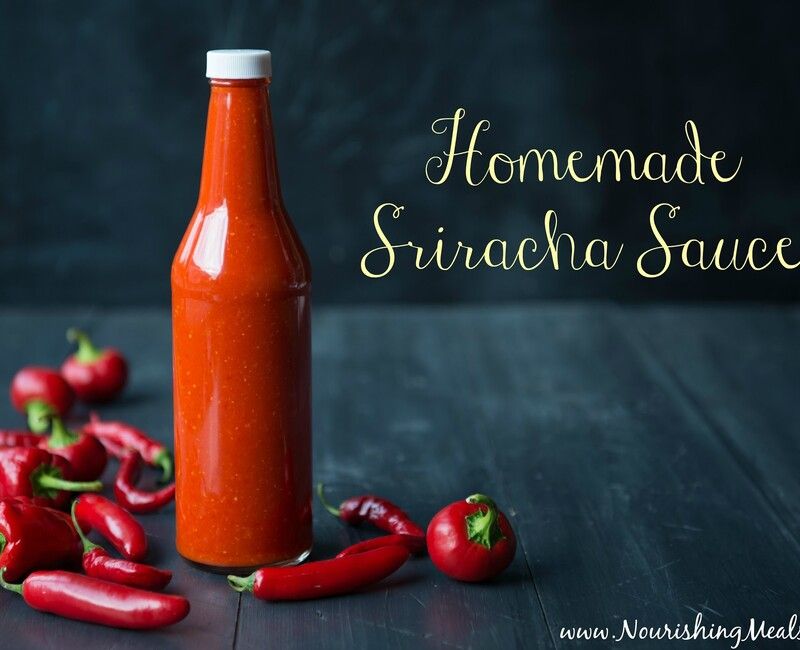
I first made this with some of my lacto-fermented hot sauce (yes, I cooked my precious sauce)! After that I wanted to recreate it using some of the same ingredients from my sauce that everyone could find and use. This recipe contains bell peppers and hot peppers, but no tomatoes, and it's not too spicy (my children eat this). If you are following our Elimination Diet and have tested out ok for peppers and beef then you can enjoy this during the rest of Phase 3. In fact, you could even use this recipe for testing beef in Phase 3! I hope you enjoy it!

Wednesday, February 8, 2017

Gluten-Free Bagel Recipe (vegan, xanthan gum-free)


I have a very fun recipe for you today. One that your children will love to participate in making......gluten-free bagels! I've been making these ever since my oldest daughter asked me to create a gluten-free bagel recipe about four years ago. I had just published the first edition of Nourishing Meals, which contained plenty of amazing gluten-free, vegan bread recipes, but no bagel recipe! She encouraged me to test out my breadstick and bread recipes in bagel form and they worked great. We've had fun making these together to send on her school camping trips throughout the years.

The big difference between bagels and a roll or a breadstick is that the dough is boiled after rising. This creates the chewy bagel texture that we all know and love. I've created a photo tutorial for you below to help make the bagel-making process very easy to understand.

There are so many variations to this recipe! Cinnamon-Raisin (my Buckwheat Cinnamon-Raisin variation will be posted soon), Garlic-Herb, Sesame, Poppy Seed-Sea Salt (pictured here), and more! Please let me know in the comments what types of flavor variations you created using my recipe.

This gluten-free bagel recipe is nearly identical to the Rosemary-Sea Salt Breadstick recipe on page 121 in my Nourishing Meals book. I've just changed the way in which they are made, and switched out one of the flours for another. I hope you enjoy!

Thursday, January 19, 2017

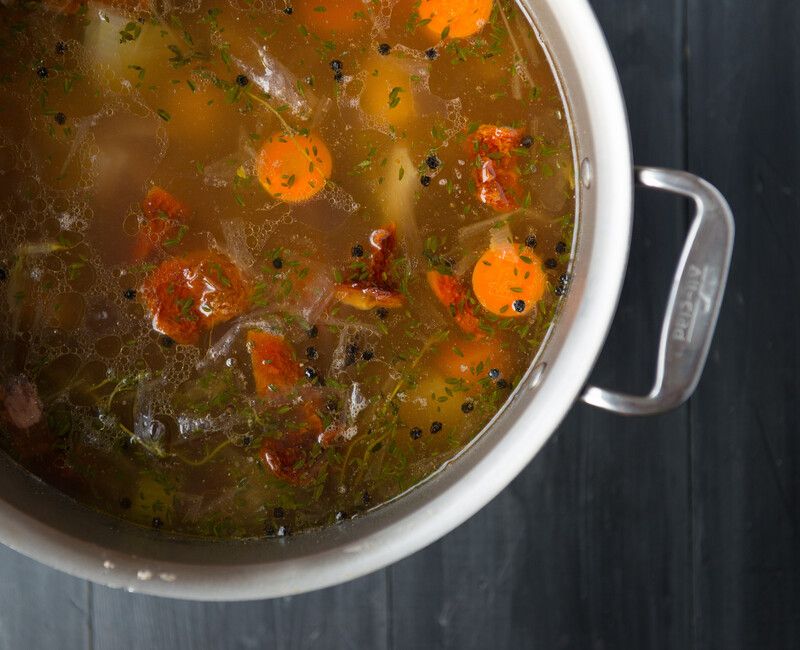
Healing Turmeric-Ginger Broth


Learn how to make the most delicious, anti-inflammatory turmeric-ginger broth! I love adding chopped fresh turmeric to chicken soup, but this recipe takes the turmeric content and bioavailability to a whole new level. I've created a broth that uses both fresh turmeric and dried, powdered turmeric in combination with other ingredients to get the maximum amount of nutrients into the broth.

Curcuminoids are beneficial polyphenol chemicals found in turmeric. They shut down, or dampen, the primary inflammatory switch in the body, which is a very important step in healing many health issues including inflammatory bowel disease, osteoporosis, type 2 diabetes, Alzheimer's disease, autoimmune diseases such as rheumatoid arthritis, and heart disease. They also help in reducing inflammation from food allergies & sensitivities as well.

Disease is caused by getting too many things that you don't need (inflammation, stress, toxins, infections, food hypersensitivities, allergens), and too little of the things that you do need (antioxidants, relaxation, exercise, healthy foods, proper nutrients).

The magic of curcumin is that it is a master-balancer (an adaptogen). Cancer research has shown that curcumin can shut off the master switch of inflammation called nuclear factor kappa beta (NFκB) better than almost anything else, making it one of the most potent natural anti-inflammatory substances. At the same time, research has also demonstrated that curcumin can help to combat various infections (yeast, bacterial, and viral) that can lead to the inflammation in the first place. Curcumin also activates our genes (via a gene transcription factor call Nrf2) to signal our cells to make more antioxidants, which lowers inflammatory damage. But there is more! When this Nrf2 is activated, we also start to make hundreds of beneficial detoxification proteins to remove harmful toxins from our cells.

Turmeric is amazing, isn't it?

The polyphenols (which include the curcuminoids) in turmeric are lipophilic, which means turmeric is best mixed or cooked with fat so you can get the full benefit of this food! This is one of the ways turmeric has been traditionally used in India. Spices are always sautéed first in fat (often ghee) before being used in recipes. This not only allows for the absorption of the beneficial polyphenols, but it also brings out the flavors in the spices.

Saturday, January 7, 2017

Green Kale Detox Soup


This flavorful green soup uses simple ingredients to create a nourishing meal that can help support natural detoxification. It is designed for Phase 1 of our Elimination Diet, but of course is a wonderful addition to your weekly meal planning even if you are not on the elimination diet! I chose ingredients for this recipe that are easy to digest and are naturally anti-inflammatory. Perfect if you feel that your body needs a break from some of the heavier foods of winter.

As we turn the corner into a new year, new resolutions, new diets, and new commitments to health inevitably echo around the blogosphere. While I believe it is a wonderful thing to try something new, I think it is only helpful if you enter into your diet or exercise regimen with the goal of learning more about yourself. This is because nobody is more of a guru on your own health than you! I know this might sound hypocritical in a blog post about a Green Kale Detox Soup recipe for the Elimination Diet so let me explain.

The Elimination Diet is not a diet that tells you what is good for you and what is not. It is a process that helps you discover what foods work best for you. We are all unique. There is no one way of eating or one perfect diet that is right for everyone. Even Hippocrates noticed this well over 2000 years ago.

He said: “For cheese does not prove equally injurious to all men, for there are some who can take it to satiety, without being hurt by it in the least, but, on the contrary, it is wonderful what strength it imparts to those it agrees with; but there are some who do not bear it well, their constitutions are different, they differ in this respect, that what in their body is incompatible with cheese, is roused and put in commotion by such a thing; and those in whose bodies such a humor happens to prevail in greater quantity and intensity, are likely to suffer the more from it. But if the thing had been pernicious to the whole nature of man, it would have hurt all.” 

What he meant by this is that some foods can make people strong and healthy while the same foods could make others weak and sick. This is as true today as it was then.

There really are no bad foods. Only foods that work well with your body and those that don't. Finding the foods that satisfy your body, soul, and taste buds is part of deepening the connection with yourself. It is part of listening to your inner wisdom. You can do this through the process of the elimination diet. And you can do this through the process of asking questions. Or both.

What can I do to have more energy? Clearer thinking? A strong digestive system? What can I do to heal my health condition? If you listen—really listen—the answers will come to you. This takes getting into a parasympathetic state. A state where your nervous system is not in flight or fight, but rest and digest. The answers will come to you when you are most relaxed. Maybe on a hike, in the shower, as you are going to bed, or breastfeeding your baby.

Sometimes it can be hard to access that all-knowing part of you. Sometimes your body is out of balance and you might be listening only to what your brain is telling you. "Give me a donut!" "Give me a grilled cheese sandwich" "I'm craving pizza!" "I can't go an evening without a drink [of alcohol]!" If you are on the carb/junk food roller coaster then it can be very difficult to access the voices of your body and gut....your innate gut wisdom that tells you what you can do to supercharge your body. This is where detoxes and elimination diets come in. They remove the clutter so you can have a clear signal to your inner wisdom. You'll know when the path is clear when you start craving a plate of sautéed kale, or the thought of a small steak and a large fennel-cabbage salad sounds grounding and energizing, or perhaps when a simple bowl of brown rice, beans, and avocado sounds comforting and nourishing.

This is deep listening. It is a process of nurturing ourselves that is constantly growing and evolving.

If you feel like the Elimination Diet resonates with you then I'd love for you to join Tom and I online. We host a wonderful and informative online support program so you can let go of the foods that don't serve you, and so you learn more about your health and the foods that make your body sing. The elimination diet is not just about eliminating and reintroducing foods, it is about ramping up detoxification so your body can work more efficiently. It is about getting your digestive system back into tip-top shape. Let's make sure you have enough stomach acid so you are breaking down your food, signaling your body to absorb key nutrients, and triggering your pancreas to release digestive enzymes. Let's make sure you are deeply nourishing yourself with the foods rich in nutrients that calm down inflammation so your immune system is not overreacting. It's a functional medicine 101 training course!

We also have an Elimination Diet book and some online resources for you if you would like to dive deeper. If not, then you always have the all-knowing part of yourself that you can talk with daily. Just ask a question and listen for the answer. Maybe this nourishing green detox soup recipe will resonate with you.

Wednesday, December 14, 2016

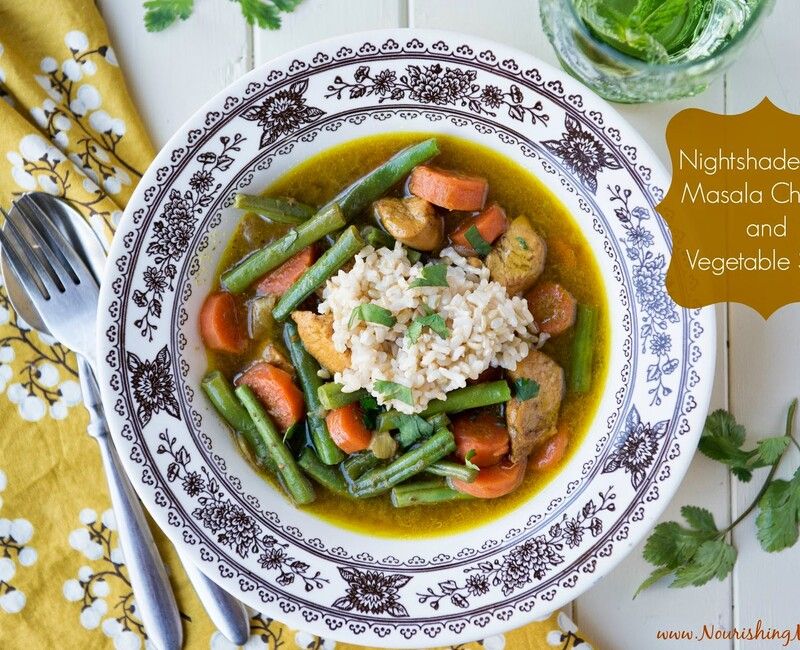
Nightshade-Free Chicken Taco Recipe (corn-free, gluten-free, dairy-free)


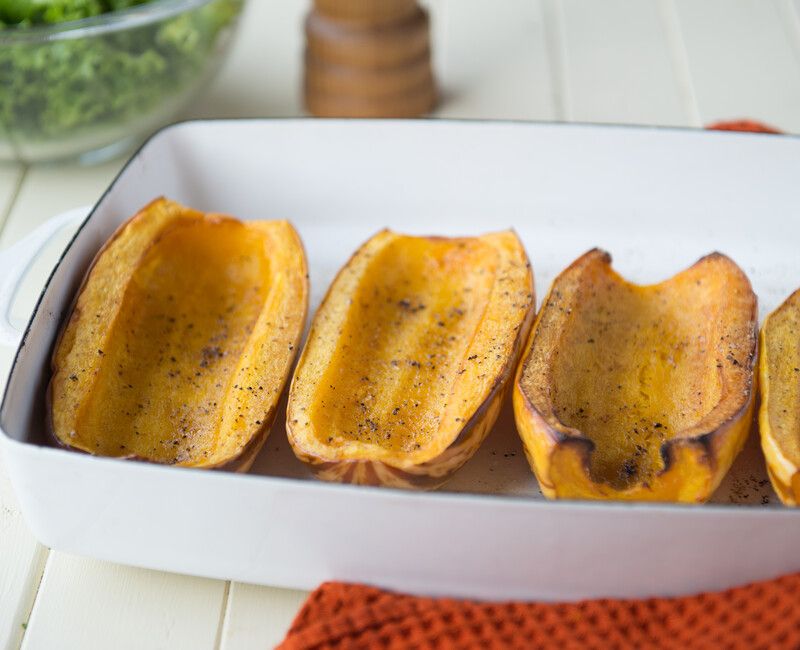
I've got an easy, nourishing main dish recipe for you today! These Nightshade-Free Chicken Tacos are super easy to prepare and perfect if you are following our Elimination Diet or another special diet such as an autoimmune diet or a diet specific for arthritis. My children also love this recipe! The chicken taco filling is cooked in a Crockpot making the prep time less than 10 minutes. I like to serve the taco filling with my Plantain Tortillas (pictured here) or my gluten-free brown rice flour tortillas. The filling is also wonderful served inside of a baked half of a kabocha or delicata squash, topped with greens and sprouts of course!

Need a little more assistance in the kitchen creating this meal? Then check out the elimination diet video cooking series I created on how to make plantain tortillas and this chicken taco filling, plus a few more easy and delicious elimination diet recipes. You can sign up here to watch the videos.

Use this recipe for Phase 2 of our Elimination Diet program. Not quite sure what an elimination diet is? An elimination diet is a powerful tool to get to the root of most diseases and disorders. Why? Because most disease begins in the gut. The gut has the highest concentration of immune cells, and the most common thing that the immune cells will react to is food.

When you are constantly in pain, moody, and fatigued, your body is inflamed. In other words, your immune cells are being irritated by something in your environment. What is the most likely suspect that is irritating you? Surprisingly, it’s your food.

Odds are that foods you are eating every day are leaving you sick and tired. How do you find out which ones? The Elimination Diet. This foundational tool of Functional Medicine has been used for centuries to discover which foods are making you ill and which ones can make you feel incredible.

The Elimination Diet is a simple process of removing all potentially problematic foods from your diet until your symptoms subside—usually a few weeks. Then you slowly reintroduce foods back into your diet, one by one, to see which ones bring your symptoms back. By finding the foods that are behind your suffering, you can completely turn your health around and elevate your quality of life. 

If you are curious about trying an elimination diet and not sure where to begin then check out our online Elimination Diet Support Program and Elimination Diet book, both of which provide excellent tools that walk you through each step of the elimination diet.

What if these new tools helped you to become a better you? A lighter, more energetic, happier you! That's what doing an elimination diet is all about.

While on an elimination diet, you'll find that many of the foods you are accustomed to eating every day are off limits. You'll get to experience new flavors and new foods that promote healing at the cellular level. And you can start right now with these nightshade-free chicken tacos.

Tuesday, November 22, 2016

Raw Cranberry Sauce ~ So Easy! (vegan, sugar-free)


If you are looking for an extremely easy and super nutritious cranberry sauce recipe then I have just the thing! I've been making this raw cranberry sauce recipe for a few years and have shared it on Instagram and Facebook but never seem to get around to getting it up on my blog....until now!

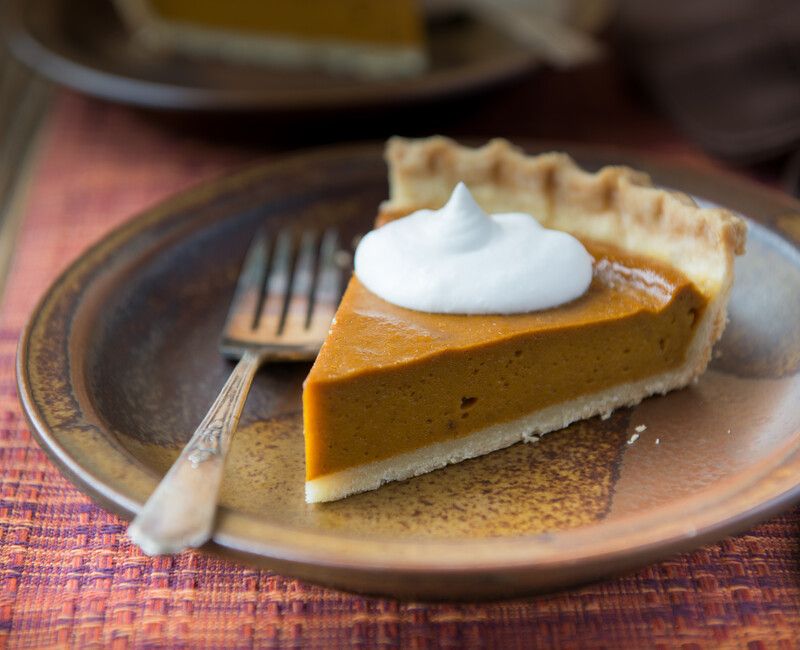
Serve this tart and tangy cranberry sauce with your holiday turkey, baked salmon, or winter squash and bean casserole. It's also delicious on top of pumpkin pie! I know, I know. Try it and you'll see!

Did you know that cranberries are one of the most concentrated sources of ellagic acid, a potent anti-oxidant and anti-cancer compound? Ellagic Acid is a phytochemical that is found in significant amounts in cranberries, raspberries, wild strawberries, blackberries, pomegranates, pecans, walnuts, and other plant foods. For the most part, think bright red plant foods that make your mouth pucker! Ellagic acid is destroyed by cooking, so eating cranberries in a raw recipe like this is most beneficial!

Findings from a 2016 study "cast a beam of light on the potential therapeutic use of ellagic acid in obesity-related colon carcinogenesis" (colon cancer). A 2015 study found that ellagic acid inhibits the proliferation of MCF-7 breast cancer cells and that its use could be a "novel therapeutic approach for the treatment of patients with breast cancer." Another 2015 study found that ellagic acid from pomegranates suppressed prostate cancer cells!

Food is medicine! You can use this to your advantage during the holidays and enjoy medicinal recipes like this raw cranberry sauce.

Saturday, November 5, 2016

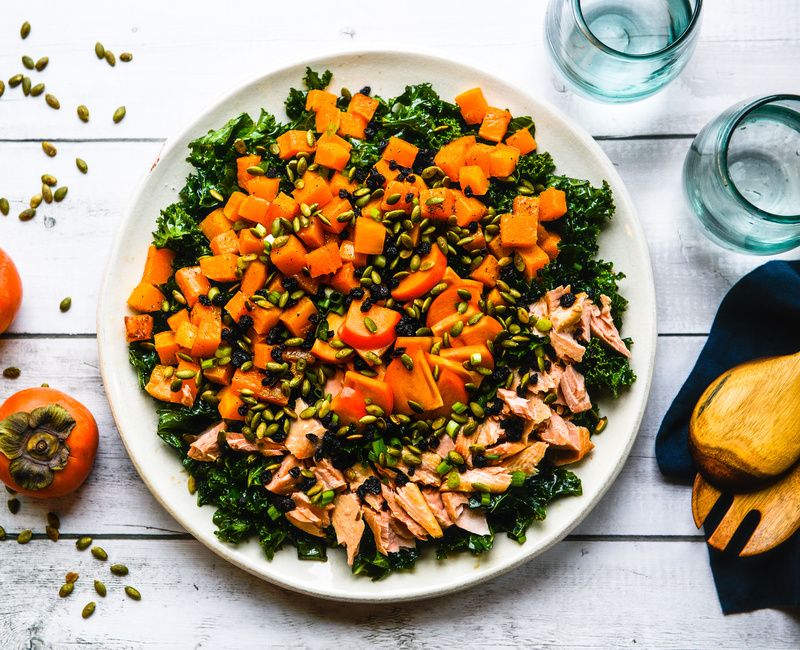
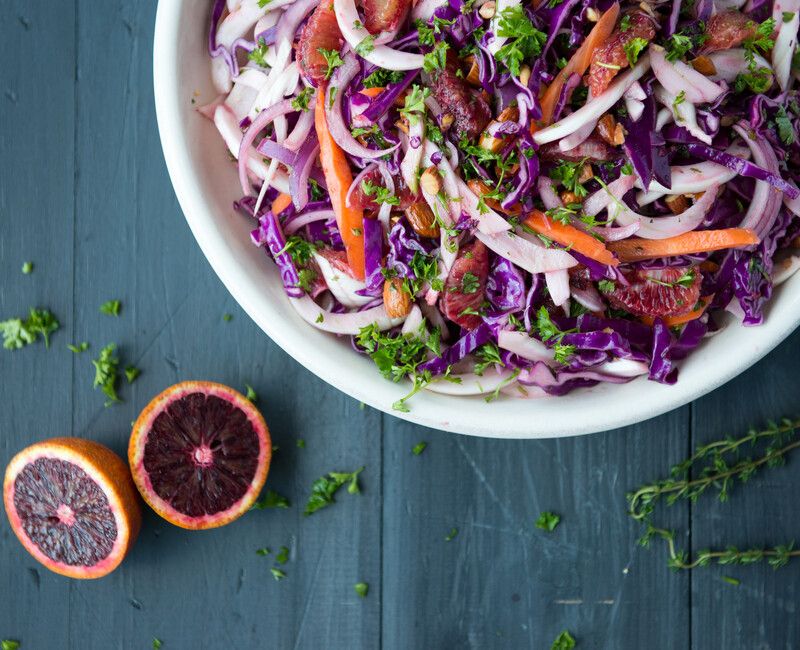
Autumn Detox Salad with Creamy Ginger-Cilantro Dressing (vegan)


Sometimes when the weather cools it is easy to get into the habit of eating more dense, cooked foods. For some people this is just what they need. But for others, a balance between raw and cooked (or even predominantly raw) is best. We each are unique, and so should be our diets. This colorful and nutrient-dense salad provides some key ingredients to support healthy detoxification. The dressing is delicious and can be used as a dip for raw veggies or used to top your favorite salads! I've even used it to top steamed vegetables! 

What is detoxification? In functional medicine, detoxification is often considered "biotransformation" because our bodies will transform harmful substances into less harmful substance and then excrete them from the body. This process can vary in effectiveness in different people depending on the nutrients we ingest, our genetics, and what types of toxins we are exposed to. For example, if we are exposed to persistent organic pollutants, which are so complex that they recirculate over and over in our body's detoxification process, they can slow everything down, not allowing a person to properly detox the everyday exposures like mercury from dental fillings or alcohol. Persistent organic pollutants include things like dioxins, DDT, and PCBs. DDT is an insecticide that was banned from the US in 1972. My mom has told me many stories of how she and her friends and siblings used to run behind the trucks that were spraying DDT when she was growing up in the 60's because they all liked the smell of it! Unfortunately they just had no idea back then how toxic it was. DDT has a half life of 50 years, which means that she passed down this stuff to me in utero and through breastfeeding. As a result of this (and other factors), I always need to take extra care in supporting my detoxification pathways.

Toxins come in through our air, food, water, and skin. Once they are in our bodies we need to change their shape to make them less toxic and get them safely out of our systems. Toxins go though two phases of detox: Phase 1 and Phase 2. Phase 1 adds a chemical handle onto the toxin (usually a hydroxyl group). Phase 2 then grabs the handle and pulls the toxin out of the body (commonly this is glutathione that attaches to the hydroxyl group). Now the toxin needs to safely exit out of the body. This happens through the sweat, urine, and feces. However, if you are consuming a diet low in plant foods, while consuming a diet high in salt and acidifying foods like processed foods, meats, and dairy, then you will not be able to excrete the glutathione-bound toxins in the urine and therefore they will get reabsorbed back into the body! Same with the gut. Without enough soluble fiber from plant foods, the toxins will stick around and get reabsorbed back into the system. This is another reason why a plant-rich diet is so important.

Detox Benefits of this Salad

Sunday, October 30, 2016

Gluten-Free Shortbread Cookies (egg-free, refined sugar-free)


Happy fall! I have a delicious gluten-free shortbread cookie recipe for you today! I recently became friends with a new family that came to our school. I began to talk this beautiful mama a few weeks ago at a birthday party and we could not stop talking about food! As it turns out she cooks just like I do, and creates many of her own recipes....all gluten-free, dairy-free, and refined sugar-free! She gave me a loose recipe for these shortbread cookies. I then tested it to create a recipe someone else could follow. I'm so grateful for this recipe as it can be used in so many ways! Pictured here I have them made into sandwich cookies filled with my dairy-free Sweet Potato Buttercream Frosting and then drizzled with melted dark chocolate. You could also dip them in melted chocolate and then decorate with whatever you have on hand. Try shredded coconut, crushed walnuts, goji berries, powdered freeze-dried strawberries, or natural sprinkles.

You will notice that this recipe uses a number of different gluten-free flours. I usually like to keep things simple and stick to one or two for my recipes, however, I found that this particular combination works wonders for shortbread cookies. My boys find that the quinoa flour is slightly bitter for their tastes, which is interesting because they normally eat a lot of bitter greens. Quinoa flour is very light and fine, and lends a very good texture to these cookies, which is why I use it. You can replace it with brown rice flour if you are concerned about the aftertaste, though I don't notice it at all.

This shortbread cookie recipe would also be great to bake during Christmastime using holiday-themed cookie cutters. Or Valentine's day....or Easter! Have fun with this recipe! I hope you like it at as much as we do. :)

Saturday, October 29, 2016

Dairy-Free Sweet Potato Buttercream Frosting (refined sugar-free, vegan)


It's not easy coming up with a whole food-based frosting that is as nutritious as it is tasty, but way back in 2010 I came up a sweet potato icing recipe based off of the ingredients I was using in the liquids for this Buckwheat Cinnamon Roll Recipe. I've made a number of different variations on this theme and included some in my cookbooks. I have even made this into a chocolate sweet potato frosting! Below you will find a delicious dairy-free sweet potato buttercream that you can use to frost your cakes or cookies.

Use this frosting to make sandwich cookies using my Gluten-Free Shortbread Cookie Recipe, or use it to frost your favorite cupcakes. Using orange-fleshed sweet potatoes will create a beautiful orange frosting (perfect for fall holidays), while using white-fleshed sweet potatoes will create a gorgeous white frosting (to replace those sugary vanilla frostings).

Sunday, October 16, 2016

Easy One-Pan Oven Roasted Chicken with Potatoes and Carrots


I love super easy meals on busy weekday evenings, don't you? This recipe (including the variations below) is one of my go-to weeknight meals. I wanted to share it with you because we all could use more ideas on how to create doable, nourishing family dinners. 

In addition to this meal, here are some more of my favorite weeknight meals: Baked Wild Salmon with Steamed Potatoes, Kale and Pesto. Slow Cooked Chicken Curry over cooked quinoa. Soothing Red Lentil Soup served with cooked quinoa or basmati rice and a dollop of Raw Cilantro-Lime Chutney. I also have plenty more recipes for easy weeknight dinners in my Nourishing Meals cookbook and Whole Life Nutrition Cookbook!
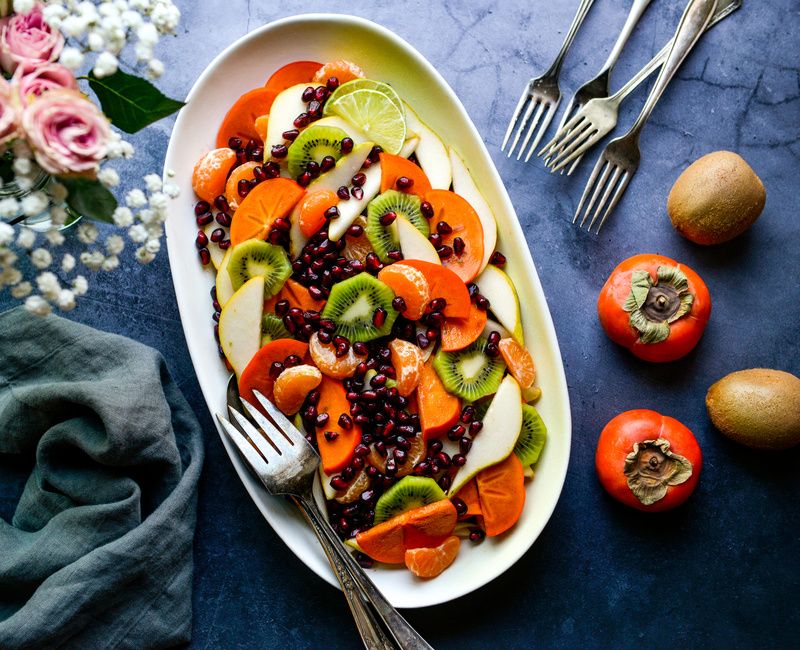
I love to serve this baked chicken and potato dish with a big green salad or some sort of raw kale salad

I know potatoes have received a bad rap for years, but did you know that potatoes contain high levels of potent antioxidants similar to levels found in dark cherries, strawberries, plums, and apples? In fact, the darker colored potatoes like the purple varieties contain the highest level of antioxidants....not surprisingly! All potatoes contain anti-inflammatory antioxidants like phenols, carotenoids, flavonoids, and anthocyanin compounds. Potatoes are also an excellent source of easily digested complex carbohydrates. Including something starchy with dinner can help induce restful sleep. I've seen many people (and experienced this myself) reduce their carbohydrate consumption too much to the point where they cannot fall asleep or stay asleep. For some, including potatoes with dinner might be just the thing! True comfort food! 
Tuesday, October 11, 2016

Buckwheat Cinnamon Raisin Bread (gluten-free, vegan, nut-free, xanthan gum-free)


Today I wanted to share a recipe from my Nourishing Meals cookbook with you—another kneadable gluten-free bread! Creating a recipe for kneadable gluten-free (and xanthan gum-free) bread took me years and years to develop.

I still remember walking into my oldest daughter’s first week of preschool. The smell of freshly baked spelt rolls wafting throughout the house like a sweet perfume pervades my memory. My daughter took great care in carefully kneading each ball of dough into the shapes of her desire. The warm rolls were always served with raw honey and butter. All week she looked forward to bread day.

A few years later my second daughter was entering preschool. We found out she was sensitive to gluten during her toddler years, so she could not participate in the process of bread baking in preschool or kindergarten. I was at a loss for what to do. Yes, I was able to replace the gluten with gluten-free options, but none she could knead. None where she could be part of the process of grinding the grain into flour. None that connected her to the meaningful work that the whole process of bread baking imbued.

Inspired by the very real fact that my daughter could not participate in the entire experience of bread baking, I started down a path that was years in the making. I was almost there in the spring of 2010 when I posted this gluten-free baguette and Garlic-Rosemary White Bean Dip. I had been using chia and flax already for a while to help mimic the texture of gluten, but something was still missing. Still determined to create a kneadable gluten-free bread without xanthan gum, I had a flash of inspiration one day. What would happen if I added psyllium husk to the mix? I already knew how it worked to absorb liquid and create a gel, and so I had a pretty good feeling that it might help to mimic gluten in baking recipes. And that was it. I had finally cracked the gluten-free bread code! I eventually shared my Farmhouse Seed Bread recipe here with you in 2011. After many failures and triumphs (and partially edible loaves of gluten-free bread), I finally created a recipe that actually needs to be kneaded—a delicious, chewy round loaf of bread made from whole food ingredients! That recipe eventually morphed into many more gluten-free bread recipes using the basic framework I had developed, including this Buckwheat Cinnamon Raisin Bread and more, which can all be found in my Nourishing Meals book.

Years later, my twin boys entered kindergarten. By then there were so many children who were sensitive to gluten that the class was designated a gluten-free classroom, and their teacher only used my recipes for bread baking day. They ground their own buckwheat flour using a hand crank grinder. Different combinations of teff flour, brown rice flour, buckwheat flour, and arrowroot powder were used to form the dough. My boys would come home with rolls that they had carefully crafted into different shapes, tucked inside of little napkins. “Mom do you want to try my bread?” they called out to me after pick-up. Smiling, I said "yes."

Baking gluten-free bread is quite simple, though it requires a few extra ingredients compared to wheat-based bread recipes. To replace the gluten—the protein that gives bread it’s chewy texture and what helps it to rise by allowing gas bubbles to get trapped—I use a combination of ground chia seeds and psyllium husk. These ingredients form a gel that acts like gluten, allowing gas bubbles from the yeast fermentation to get trapped so the dough can rise. They also help to hold moisture and bind everything together.

Any gluten-free flour or blend of flours can be used in this recipe, but by using raw buckwheat groats, which can be ground into a soft flour using a hand or electric grain grinder, children get to experience the whole process of bread making, from grain to loaf—connecting head, heart, and hands.

Tuesday, October 4, 2016

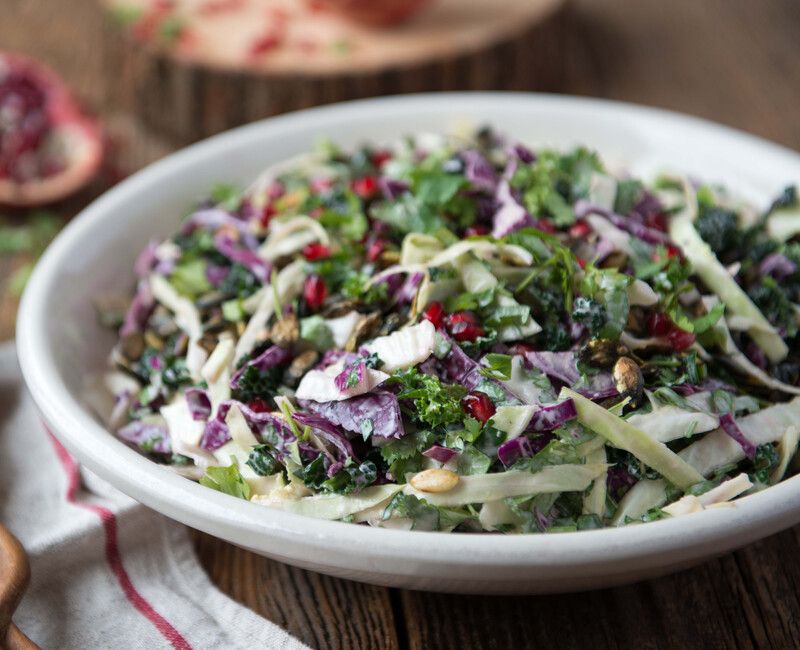
Raw Thai Kale Slaw with a Creamy Ginger-Almond Butter Dressing


You are going to love this nutritious raw kale slaw. It's full of detoxification and antioxidant compounds, and just bursting with the fresh, bright flavors of basil, mint, and cilantro. All tossed in a slightly spicy and gingery, creamy almond butter dressing. What I love about this salad is that it lasts up to 5 days in the refrigerator! Once it's made, you can take out portions as needed to easily fulfill part of your daily raw veggie needs.

I've been serving a large plateful of this Thai-style kale slaw with fried eggs for breakfast, or tossed with leftover rice and garbanzo beans for lunch. It's also delicious served with a thai-style main dish for dinner, such as Thai Coconut Fish Sticks, Thai Fish Curry with Garden Vegetables, or this Vegan Thai Green Curry.

And not to forget the oh-so-important nutrition information! As you might guess, this salad is rich in detoxifying compounds. Kale and cabbage both come from the cruciferous vegetable family, a family of vegetables known for their detoxification powers. Did you know that there is research showing that autistic children who consume sulforophane (one of the active compounds in cruciferous vegetables) show positive behavioral changes as a result of this nutritional superstar? Sulforophane is most concentrated in broccoli sprouts, but can also be found in raw (or lightly steamed) kale, cabbage, kohlrabi, radishes, watercress, and arugula!

Cruciferous vegetables are also very beneficial in calming down autoimmunity. Once consumed, sulforophane travels to our cells and changes how our genes are read. It literally allows us to read hundreds of beneficial antioxidant and detoxification genes. The result is a cell that has less toxins, and less inflammation. Can you function in a messy, dirty house? I know I can't! The cell is the same. It can't function very well if it has lots of toxins and debris lying around. Detoxification is, in essence, cleaning up the house of the cell. Antioxidants, then we could say, are the repair crew. When your cells are "clean" you might notice increased energy, clearer thinking, and less pain!